Chiesa di San Rocco
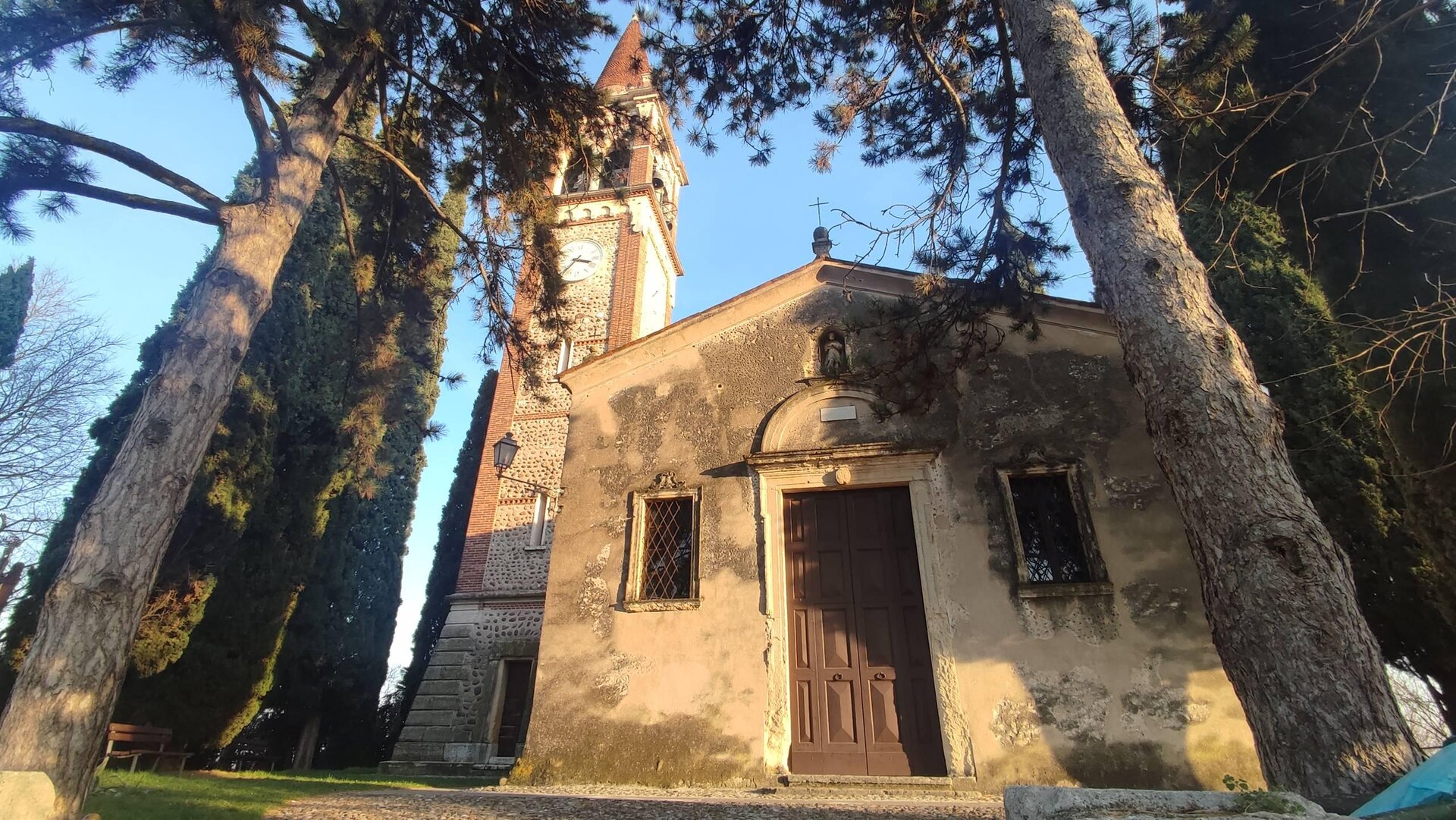
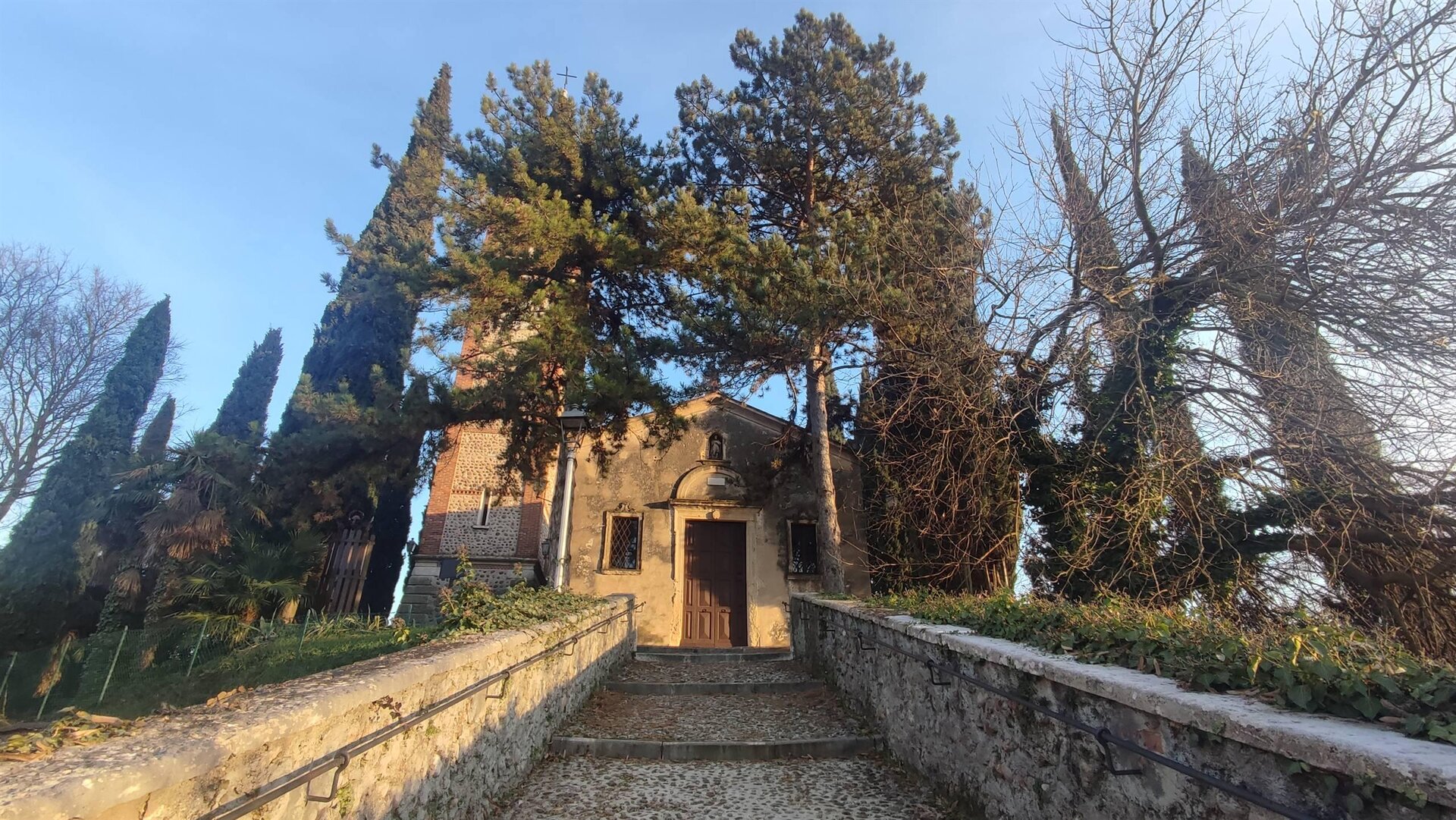
The construction of the church of San Rocco began in 1511, a period in which the center of the village was shifting from the parish of Sant’Andrea toward the east.
The church is built on the ruins of an ancient castle constructed before the year 1000 and is dedicated to the patron saint of plague victims as a vow after the last plague of 1508, one of many during that period that decimated the population.
In 1630 it was transformed into a hospice for the plague-stricken, and here a brotherhood called the Company of the Good Death was established, which had gained notable merits during the plague.
In the 17th century, it also served as a municipal headquarters, as evidenced by a plaque in the lunette above the entrance door, which seems non-religious, inscribed with the words ECLESIA COMUNITATIS SUME CAMPANEE, and at the center of the door's architrave, the civic coat of arms of the Vicinia of Sommacampagna is carved.
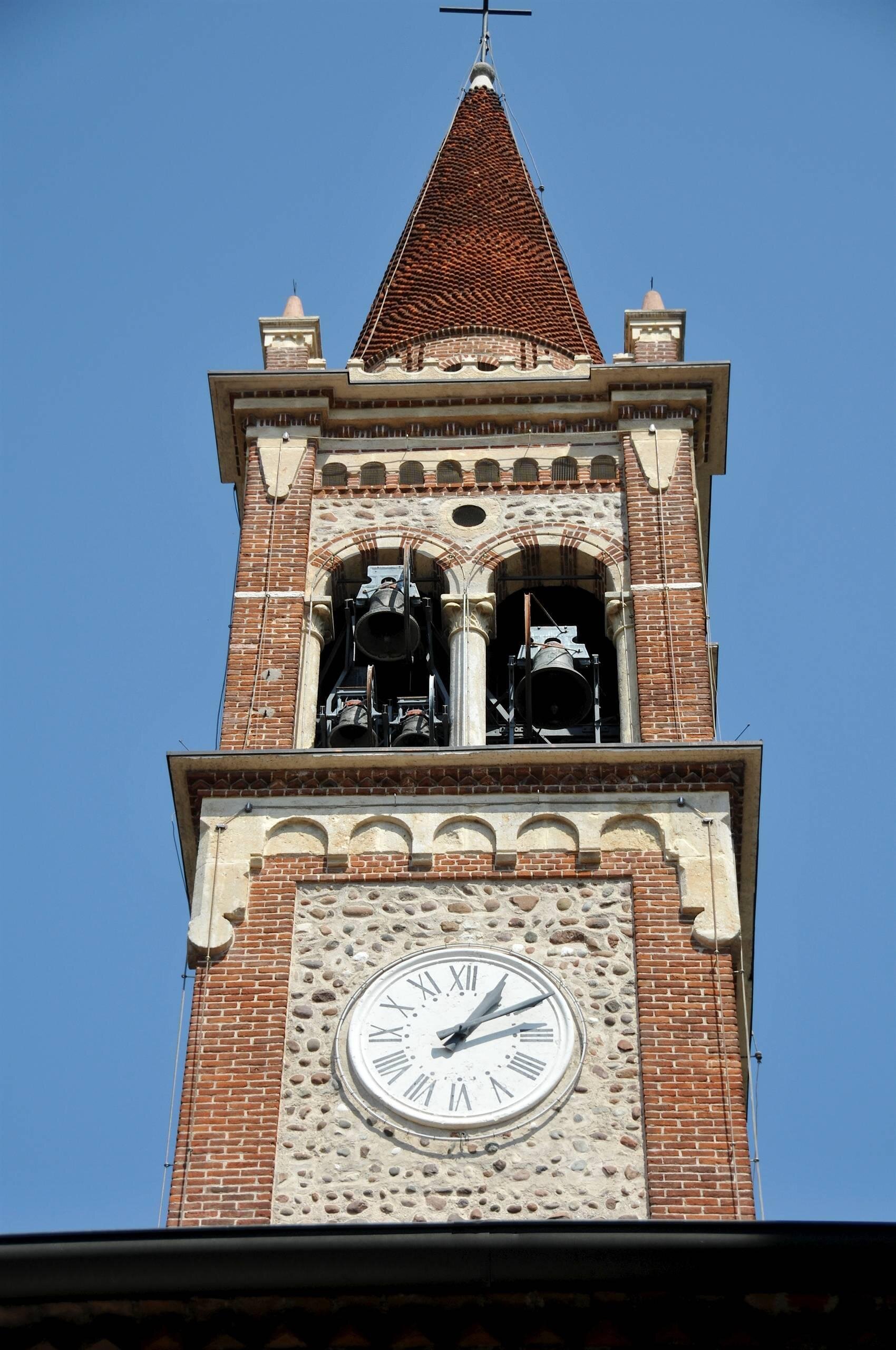
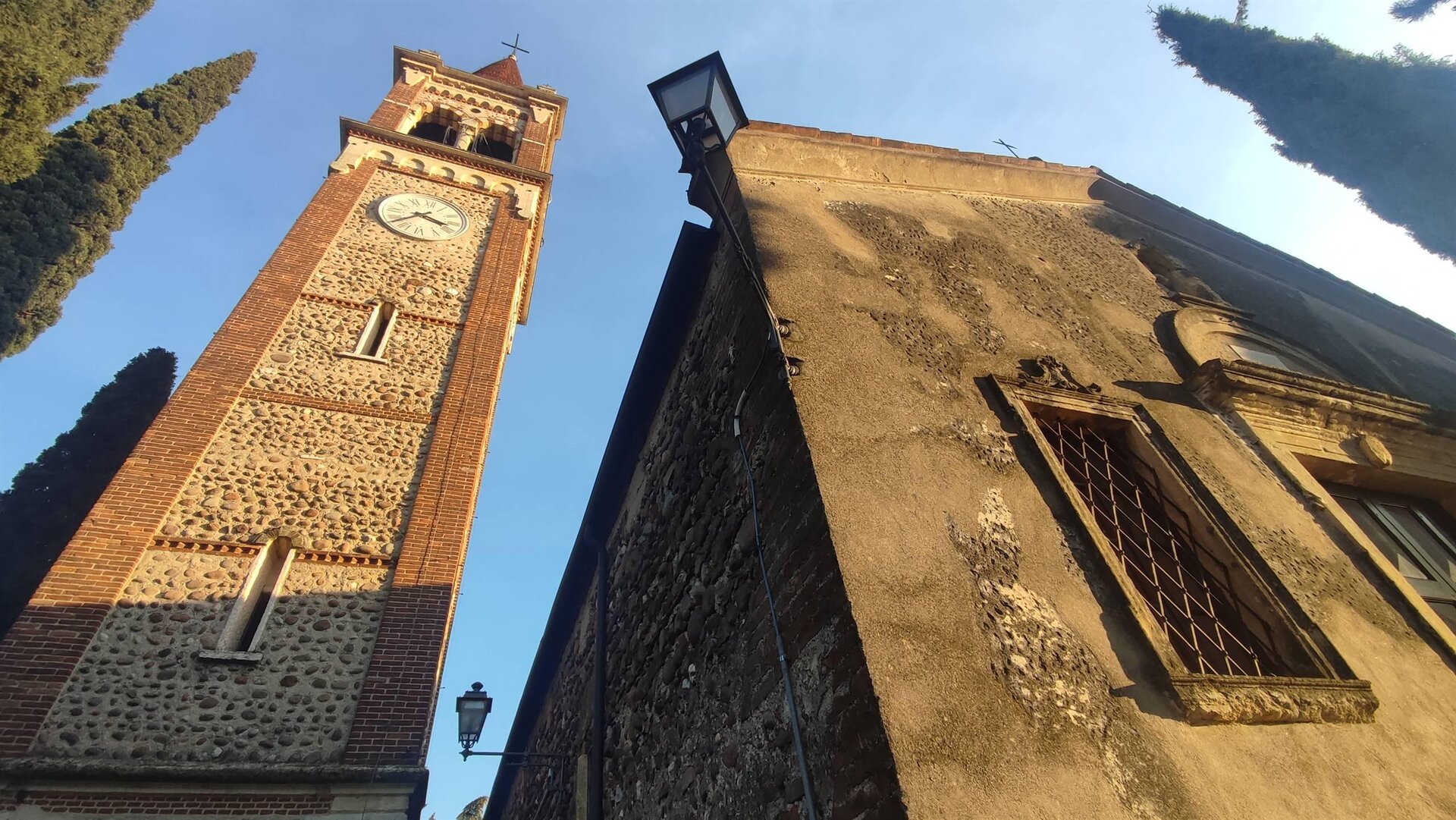
The old bell tower, on the right of the building, was demolished in 1903, and the current one was built on the left side the following year. Noteworthy inside the church is the Neapolitan Positive Organ placed in a wooden case of graceful Baroque style.
Constructed by the organ builder Dominicus Antonio Rossi in 1754, it has been stripped of its entire base and all the original bellows, which have been expertly reconstructed. The missing pipes have been replaced with others from the same Neapolitan school. Further restored in the 2000s, the organ is now functional; in particular, it is used during the S. Rocco concert, held every year on August 16.
The church is opened for ceremonies and during the Ancient Fair of Sommacampagna.