Prehistoric pile-dwelling sites
The prehistoric pile-dwelling sites of the Alpine arc of Frassino and Belvedere are part of the UNESCO World Heritage List because they represent a unique and exceptionally well-preserved testimony of the earliest farming societies in Europe.
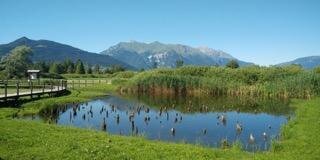
Pile-dwelling settlements are ancient prehistoric villages buried in the peat deposits of former lakes, river courses, or now submerged in bodies of water. The Alpine pile dwellings have allowed researchers to reconstruct, as in very few other regions of the world, the life of farming and herding communities between the 5th and 1st millennium BC.
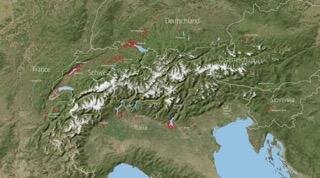
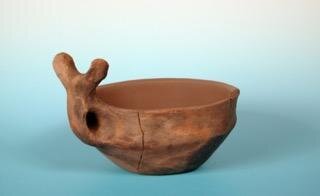
Across the Alpine arc, around 1,000 pile-dwelling sites are known, spread across six European countries. They are mostly located along lake shores, in peatland areas, and less frequently along rivers. Thanks to their preservation in waterlogged environments, wooden structural elements, food remains, wooden tools, and even fragments of textiles have survived.
For this reason, these sites represent one of the most important sources for the study of the earliest European farming societies, offering a direct insight into everyday life thousands of years ago.
In total, 111 pile-dwelling villages have been identified, 19 of which are in Italy. Among these, four are located in the Veneto region: Peschiera del Garda – Belvedere, Peschiera del Garda – Frassino, Cerea – Tombola, and Arquà Petrarca – Laghetto della Costa.